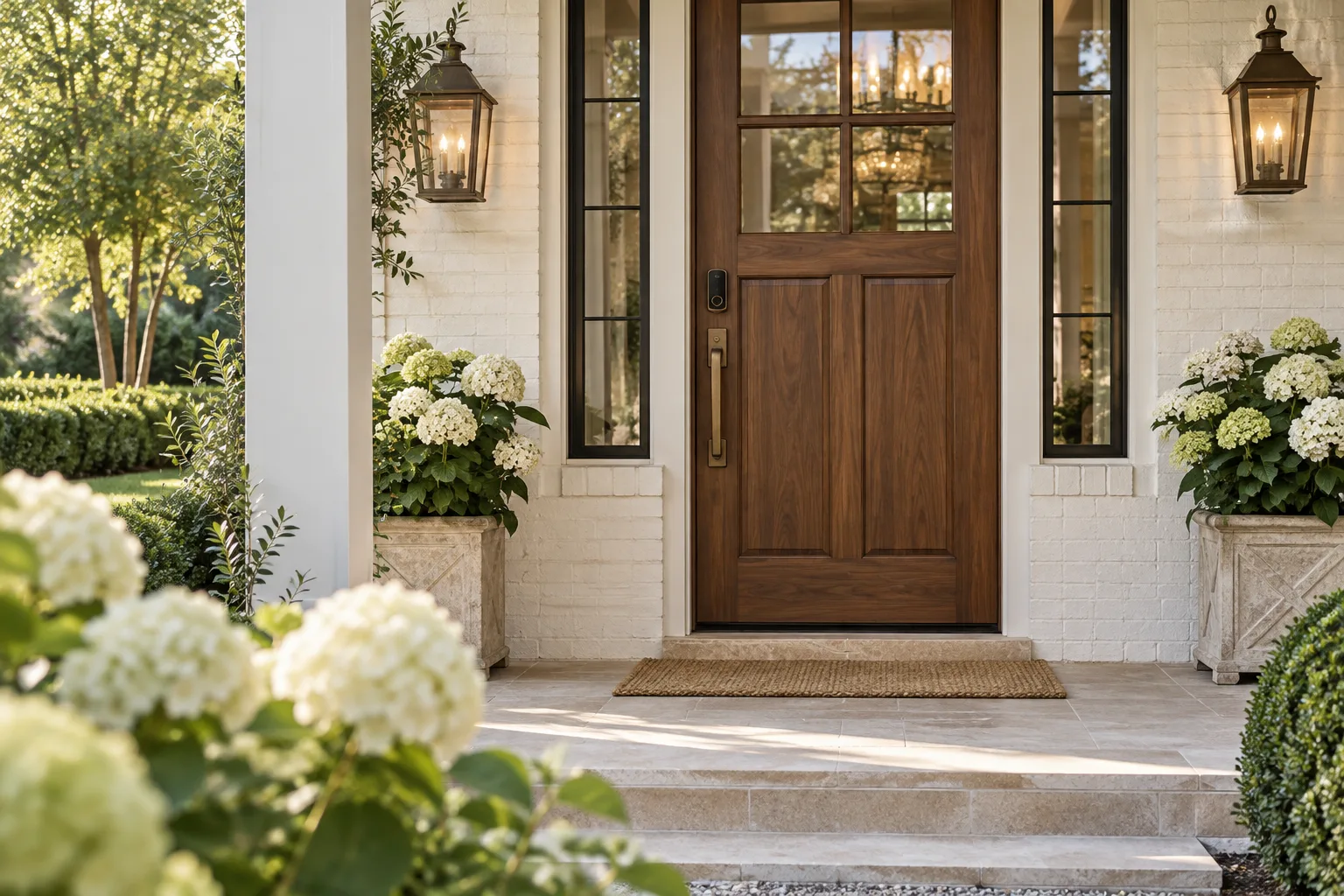
The front door is a small part of a smart home, but it carries an outsized responsibility. It should welcome the right people, feel natural to use, and give the homeowner a clear way to manage access. A beautiful handle and a convenient app are only part of that decision.
In 2026, a new access standard called Aliro gave digital keys a timely place in that conversation. If you are considering a smart lock for a late-2026 renovation or a 2027 home, here is how to evaluate the idea without buying on a future promise.
What Aliro actually addresses
The Connectivity Standards Alliance announced Aliro 1.0 on February 26, 2026. It establishes a communication and credential standard for access systems, with participation from major mobile-wallet ecosystems including Apple, Google, and Samsung. The specification supports approaches including NFC tap access, Bluetooth LE, and Bluetooth LE with ultra-wideband for hands-free authentication. These are options in the standard, not a claim that every lock or phone supports every method. Read the official Aliro 1.0 announcement.
For a homeowner, the important distinction is between the standard and a complete working combination: lock, reader where applicable, phone or wearable, wallet, software, and the access-management features you intend to use. Verify that combination before choosing hardware.
Begin with the people who use the door
In a primary residence in Canton or Woodstock, one household may include different phones, children without smartphones, visiting relatives, and a regular service provider. A phone-based key can be convenient for some of those people without being the right method for everyone.
Write a simple access brief. Who needs permanent access? Who should have temporary access? Who should be able to add or remove permissions? What should a guest do if their usual method is unavailable? Those answers will narrow the shortlist more effectively than starting with the newest lock finish.
For a mountain retreat in Ellijay or Blue Ridge, also consider the arrival experience after a long drive. A guest should not discover an account requirement or an unfamiliar setup process while standing on the porch. Make the instructions part of the plan.
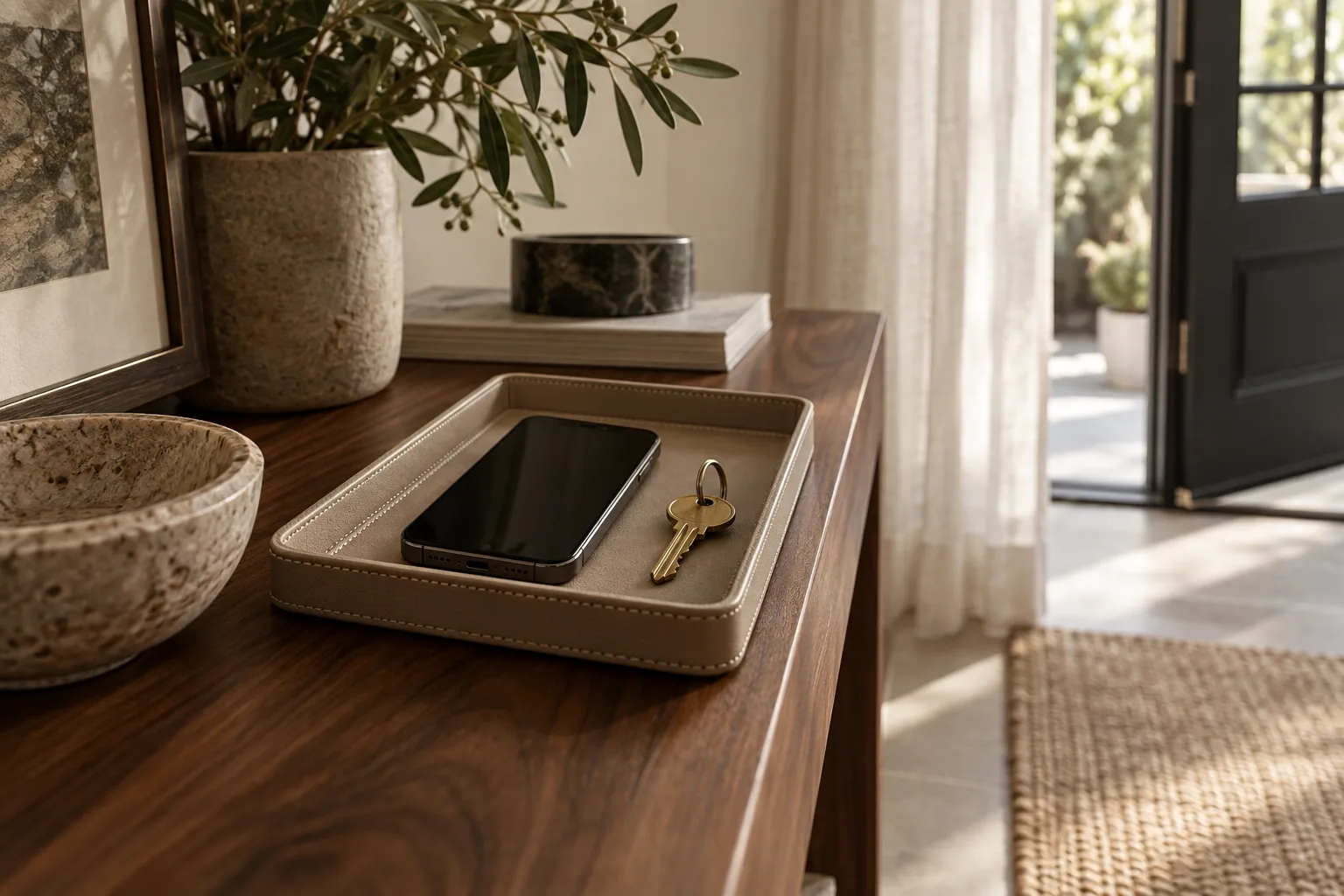 An illustrative reminder: convenient digital access belongs alongside a clearly understood fallback plan.
Five questions to ask before ordering
- Does the hardware fit this door? Confirm dimensions, lock preparation, alignment, finish requirements, and any specialist door construction before committing to an electronic lock.
- Which devices work now? Ask for the supported phone and wearable combinations, software requirements, and the exact access method being demonstrated.
- How is access managed? Verify how permissions are issued, changed, and removed in the selected product. Do not assume a standards announcement supplies every guest-management feature.
- What happens when something is unavailable? Review a depleted phone, depleted lock batteries, lost connectivity, and any manufacturer-supported emergency entry method separately.
- Who controls the account after installation? The homeowner should understand the agreed administrative access, recovery procedure, and support arrangement.
Ask for a demonstration using the intended household devices where possible. An installation that works well for one person should not leave another member of the household dependent on someone else’s phone.
Keep access and automation requirements distinct
Unlocking a door and triggering an arrival routine are related experiences, but they are separate requirements to verify. If you want entry lighting, an app notification, or another household action to follow an authorized arrival, specify that behavior explicitly.
For example, a Kennesaw renovation might call for a discreet smart lock with a familiar physical appearance and an evening lighting scene. A Jasper retreat might place greater emphasis on guest instructions and a dependable fallback. Neither brief is satisfied merely by a label on the packaging.
Ridge’s smart door lock planning page covers the physical and everyday-use questions that remain important as digital-key technology develops. Our security and smart access overview explains how entry can fit into a broader home design.
Plan for 2027 without waiting for perfection
There is no need to postpone a useful improvement indefinitely. There is good reason to distinguish a feature available and tested today from one described on a roadmap. Choose the current experience deliberately, understand its limitations, and document any future upgrade as a possibility rather than a commitment.
If you are planning a new entrance or a wider smart home project in North Georgia, bring the door and the household into the conversation with Ridge. The best starting point is a clear account of who needs to get in, and how you want that experience to feel.
Standards information checked September 22, 2026. Confirm product certification, device compatibility, and available features at the time of purchase.